
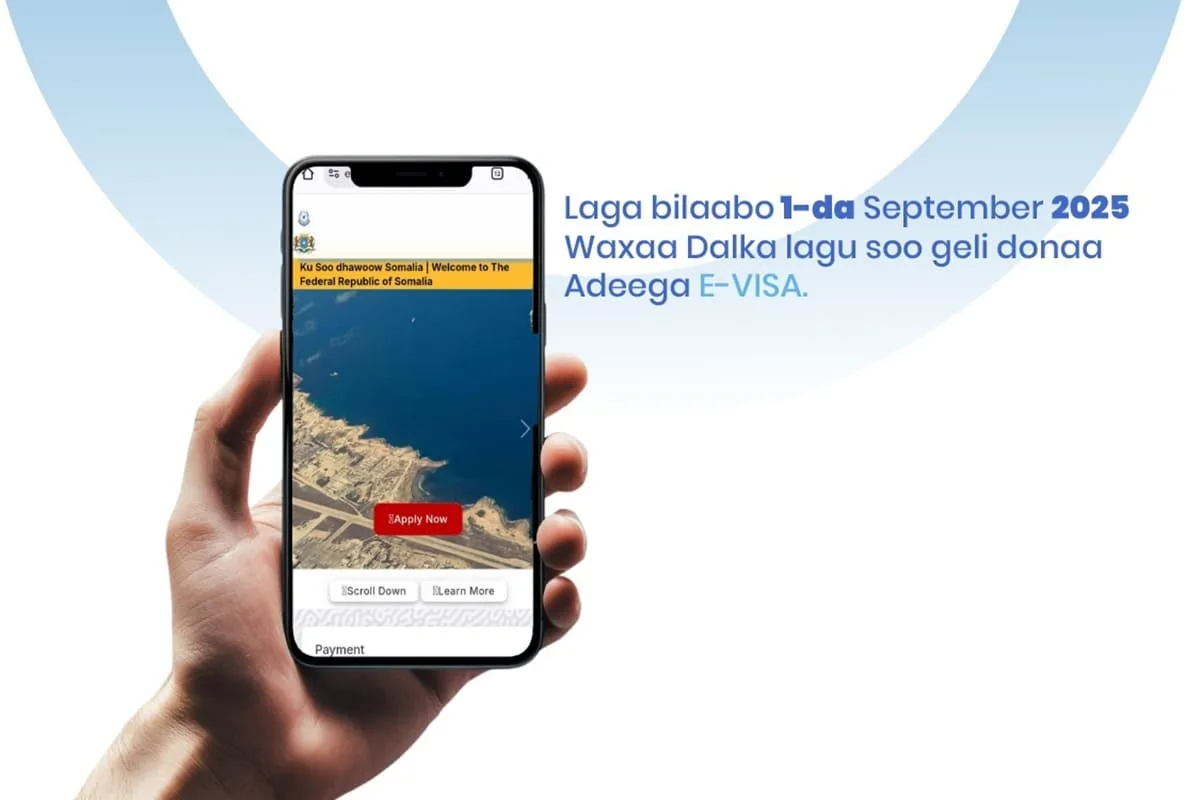
The Federal Government of Somalia’s decision to introduce a nationwide electronic visa (e-Visa) has ignited sharp pushback from Puntland and Somaliland, exposing deep political rifts within the country’s federal framework.
Since September 1, 2025, all foreign travelers to Somalia are required to apply for an e-Visa online before departure. The move was designed to streamline immigration procedures and centralize border control under Mogadishu. However, in practice, it has collided with the country’s fragmented political realities, as regional administrations continue to assert their own authority over immigration and airport management.
Puntland Rejects the System as “Unlawful”
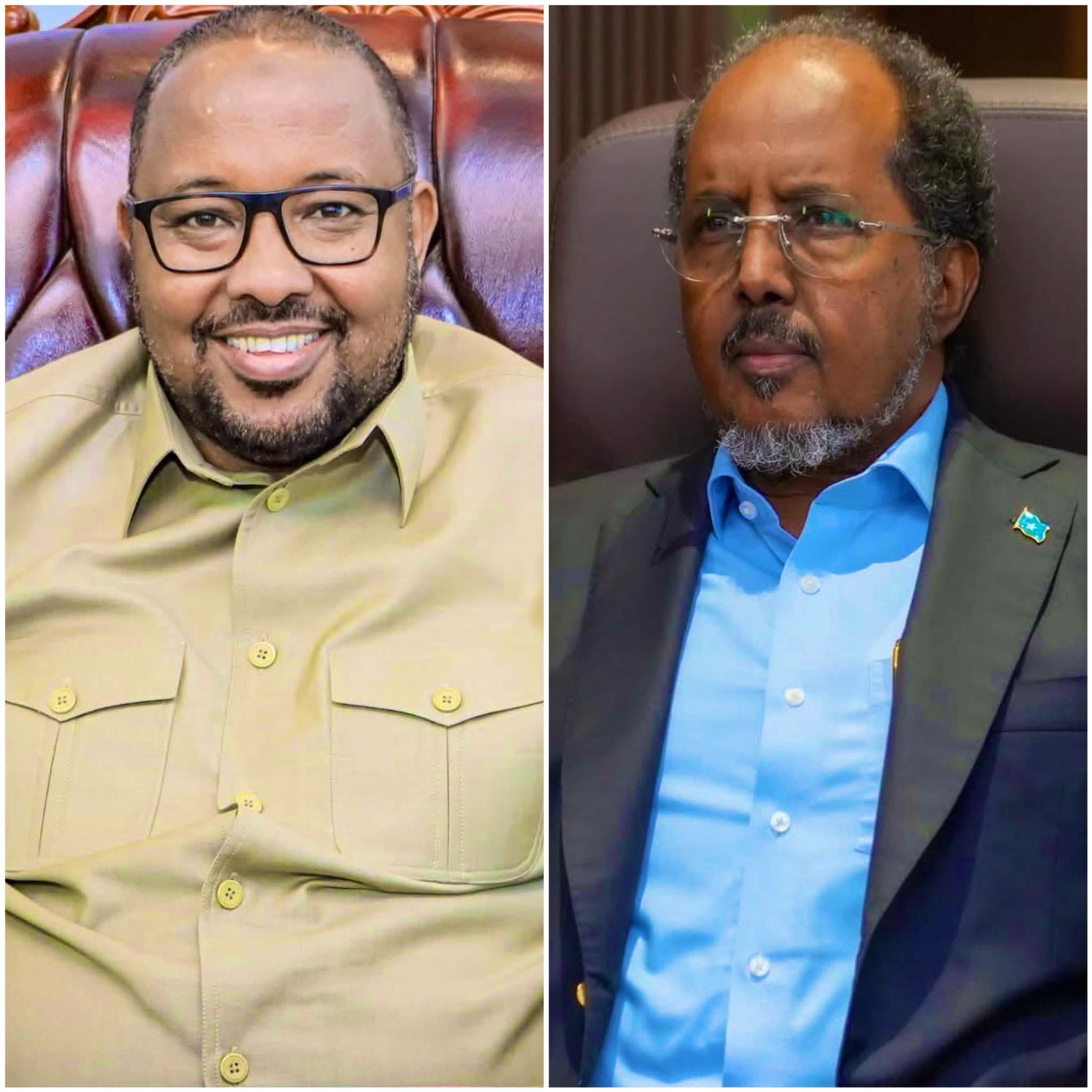
Authorities in Puntland, a semi-autonomous region in northeastern Somalia, have openly rejected the federal e-Visa, branding it unconstitutional. Puntland’s Minister of Information, Mahmoud Aydiid Dirir, argued that visa regulation and airport operations are strictly under regional jurisdiction.
“The Federal Government is acting outside the law by imposing a system that was never agreed upon,” Dirir said. He went further, describing the policy as “robbery” and insisting that Mogadishu cannot unilaterally impose controls over regional entry points.
Travelers arriving at Garowe Airport have reported confusion and additional fees. Some passengers were charged an extra $60 upon arrival, despite having already paid $64 online for the federal e-Visa. The incident underscores an unresolved fiscal and legal standoff between Puntland and the central government.
Somaliland Maintains Independent Visa Policy
Somaliland, which unilaterally declared independence in 1991 and operates as a self-governing territory, has also distanced itself from Mogadishu’s visa reforms. On September 9, 2025, its Ministry of Civil Aviation announced that it would continue offering visa on arrival for all foreign travelers, independent of Somalia’s new e-Visa platform.
The ministry emphasized that only documents issued by the Somaliland Immigration Authority are valid for entry. It described the visa-on-arrival system as a cornerstone of its efforts to promote investment, tourism, and humanitarian access, while ensuring smooth travel through its airports.
Fuad Ahmed Nuh, Somaliland’s Minister of Civil Aviation and Airport Development, reaffirmed this stance: “Our policy reflects Somaliland’s commitment to accessibility, regional connectivity, and passenger convenience. We remain open to international travelers and welcome them with consistency and clarity.”
A Policy at Odds with Federal Realities
Somalia’s attempt to centralize visa issuance highlights the tensions between Mogadishu’s federal authority and the autonomy claimed by its regions. While the government seeks to present a unified system to international visitors, Puntland and Somaliland continue to resist, each asserting its own legitimacy over immigration control.
For travelers, the situation remains complex: entry requirements now vary depending on the airport of arrival, leaving uncertainty over which rules apply and which fees are legally enforceable.